

What Is Dysphagia? Causes, Symptoms and How to Support Someone
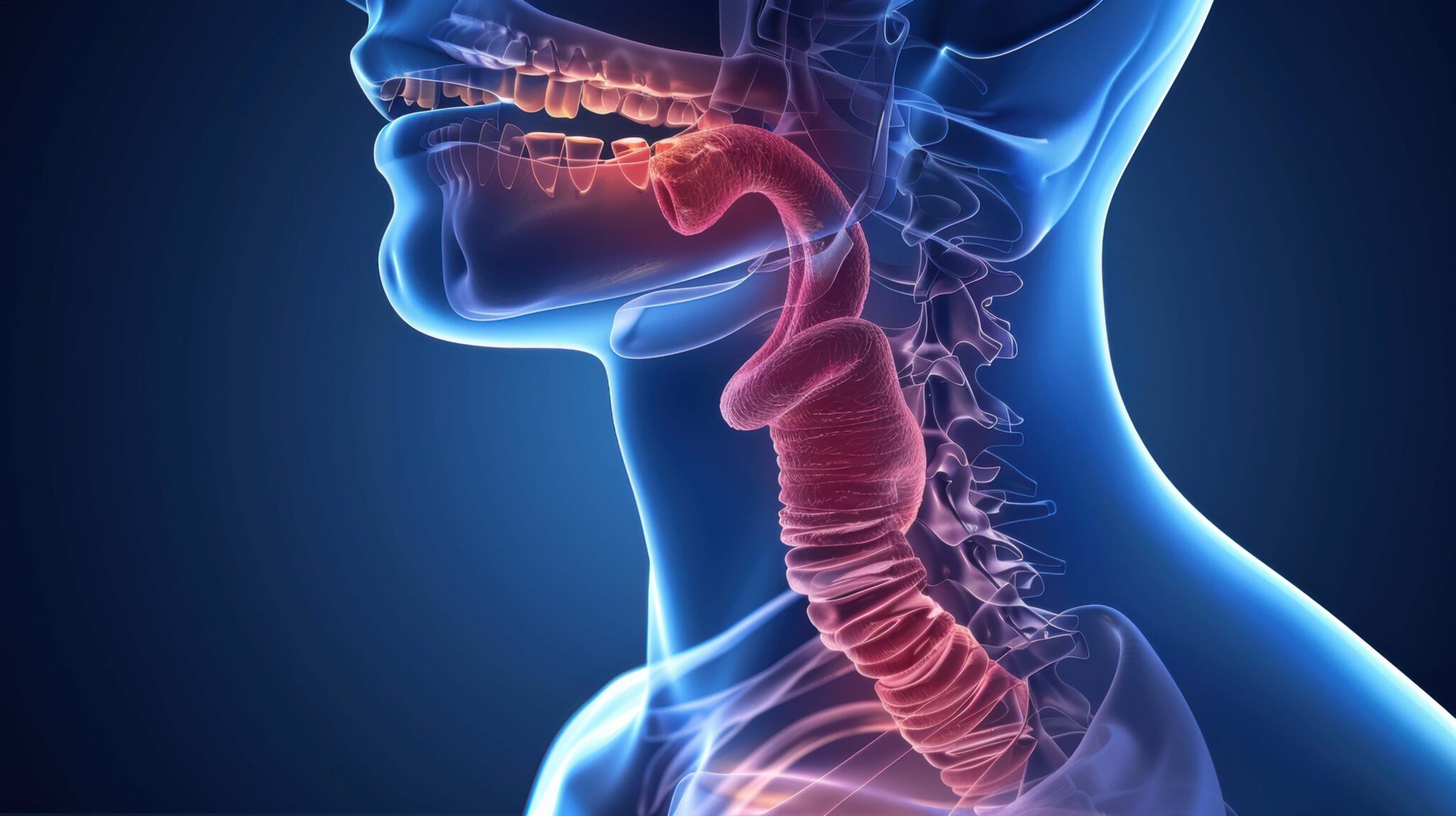
Dysphagia is the medical term for difficulty swallowing, affecting eating, drinking, chewing or taking medicine safely. It can range from mild, occasional trouble to a complete inability to swallow. Dysphagia becomes more common with age and is closely linked to conditions like stroke, dementia and Parkinson’s disease, which is why understanding it matters for anyone supporting older Australians.
This article provides a brief overview of what dysphagia is. Please note that the article contents covered, such as symptoms, causes and treatments, is non-exhaustive and not intended to replace education and training.
If you are interested in learning how to help those experiencing dysphagia, we recommend undertaking dysphagia training.
What Is Dysphagia? (Meaning & Definition)
Dysphagia is the medical term for difficulty swallowing. Our capacity to eat and swallow varies over our lifetime and can be influenced by a number of factors including age, physical and mental conditions and behavioural factors. However, dysphagia is not restricted to issues with swallowing food, it extends to any swallowing issues including problems with drinking, chewing, eating, controlling saliva, or taking oral medicines.
The intensity of this condition can vary from mild and occasional difficulty while swallowing, to painful or ongoing irritation. In some instances, those affected by more severe dysphagia are completely unable to swallow.
Signs and Symptoms of Dysphagia
Dysphagia (difficulty swallowing) can present with various symptoms including long-term symptoms like weight-loss. Immediate symptoms of dysphagia, which may be experienced while eating or drinking, include:
- Feeling unable to swallow
- Pain during swallowing
- Gagging or choking when eating or drinking
- Food or drink becoming stuck in the throat or going down the ‘wrong way’
- A feeling of food being stuck in the throat, chest or behind the breastbone
- Excessive coughing or throat-clearing during eating and drinking
- Shortness of breath whilst eating and drinking
- Drooling
- Wet-sounding voice when eating or drinking
- Food returning through the nose
- Regurgitation (food coming back up)
One sign worth knowing about specifically is silent aspiration, when food, drink or saliva enters the airway without the usual warning signs, like coughing. Because there’s no obvious symptom, it’s easy to miss, and it’s one of the reasons ongoing swallowing changes should always be checked by a GP rather than watched and waited on.
Long-term or adaptive symptoms of dysphagia include:
- Extended meal times (more than 30 minutes to complete a meal)
- Avoidance of certain foods due to swallowing difficulties
- Frequent heartburn
- Food or stomach acid backing up into the throat
- Hoarseness
- Weight loss
- Common coughing or throat clearing, typically after meals
When to Call a Doctor
A one-off incidence of dysphagia, such as food becoming stuck in your throat during a meal, is not often an immediate call for concern.
However, if you, or someone you know, is experiencing recurring issues and want to better understand what dysphagia is, schedule an appointment with your healthcare provider as soon as possible.
In some instances, difficulty swallowing may result in an inability to breathe, or be a symptom of an oncoming stroke. If you, or someone you know, is having sudden and significant trouble breathing due to dysphagia, call 000 and seek immediate assistance.
Risk Factors
Age-Related Factors
- Advanced age: The risk of dysphagia increases significantly in individuals over 50 years old, with prevalence estimates ranging from 15% to 22% in community-dwelling adults.
- Natural ageing processes: Changes in muscle mass, connective tissue elasticity, and sensory acuity can contribute to swallowing difficulties.
It’s important to note that while ageing is a significant risk factor, dysphagia is not an inevitable consequence of normal ageing. The presence of age-related diseases and health complications plays a crucial role in the development of clinically significant dysphagia in elderly individuals.
Medical Conditions
- Neurological disorders: Stroke, Parkinson’s disease, dementia, multiple sclerosis, and brain injuries
- Muscular disorders: Myasthenia gravis, muscular dystrophy, and polymyositis
- Structural issues: Zenker’s diverticulum, oesophageal strictures, and tumours
- Respiratory conditions: Chronic obstructive pulmonary disease (COPD)
Lifestyle Factors
- Smoking
- Obesity
- Excessive alcohol consumption
Medical Interventions
- Presence of a tracheostomy
- Use of ventilators
- Nasogastric tube placement
- Certain medications (e.g., anticholinergics, sedatives, antidepressants)
Other Factors
- Pregnancy
- Hiatal hernia
- Scleroderma
- Recent anterior cervical spine surgery
What are the Main Types of Dysphagia?
Oral dysphagia (Mouth)
Oral dysphagia is a type of dysphagia that occurs at the start of the swallowing process. In these instances, your mouth struggles to prepare the food to be swallowed correctly. This includes issues with the jaw, teeth and tongue not breaking down food effectively, or the salivary glands producing an inadequate or excessive amount of spit.
Oropharyngeal dysphagia (Throat)
Oropharyngeal dysphagia (also known as “high” dysphagia or transfer dysphagia) refers to trouble swallowing that stems from the throat. In this instance, throat muscles may be weakened, increasing the difficulty of transferring food effectively. In those not experiencing dysphagia, the voice box (larynx) opens and closes as necessary to ensure that food or liquid does not “go down the wrong way” (slip into your airway, the trachea).
Oesophageal dysphagia (Oesophagus)
Oesophageal dysphagia (also known as “low” dysphagia) refers to trouble swallowing that occurs lower down, in the base of the throat or deeper in the chest. The cause of dysphagia in this instance stems from the body of the oesophagus, lower oesophageal sphincter, or cardia of the stomach.
How Is Dysphagia Diagnosed?
If you’re still working out what is dysphagia and what it means for you or someone you support, diagnosis is usually the first practical step. It starts with a visit to a GP, who will ask about symptoms and medical history, including any recent stroke, illness or condition that can affect swallowing, and will often refer on to a speech pathologist for a full assessment.
A speech pathologist typically starts with a clinical swallow examination, watching how someone swallows different food and fluid textures, and checking for signs of difficulty such as coughing, throat clearing or a wet-sounding voice.
If more detail is needed, they may recommend a closer look, such as:
- An X-ray swallow test, a real-time X-ray that shows food and fluid moving through the mouth and throat as the person swallows.
- A camera test, a thin, flexible camera passed gently through the nose to view the throat directly during swallowing.
These tests help the speech pathologist recommend safe food and fluid textures, positioning and swallowing strategies, often using the framework below. For general information on dysphagia, see Healthdirect’s guide.
Managing Dysphagia: Diet, Fluids and the IDDSI Framework
Once dysphagia is diagnosed, the main way it’s managed day to day is through diet and fluid texture changes, making food and drinks easier and safer to swallow. In Australia, this is standardised through IDDSI (the International Dysphagia Diet Standardisation Initiative), used by hospitals, aged care providers and speech pathologists so everyone, from the kitchen to the care team, describes food and fluid texture the same way.
IDDSI uses eight levels, numbered 0 to 7. Drinks are described at levels 0 to 4, and food from levels 3 to 7 (levels 3 and 4 cover both a drink and a food form):
| Level | Name | Applies to |
| 0 | Thin | Drinks |
| 1 | Slightly Thick | Drinks |
| 2 | Mildly Thick | Drinks |
| 3 | Liquidised / Moderately Thick | Drinks and food |
| 4 | Pureed / Extremely Thick | Drinks and food |
| 5 | Minced and Moist | Food |
| 6 | Soft and Bite-Sized | Food |
| 7 | Regular / Easy to Chew | Food |
A speech pathologist prescribes the right level for each person based on their swallow assessment. It isn’t a general diet choice, and levels shouldn’t be changed without their guidance.
Mealtime strategies that support safe swallowing:
- Sit upright and unhurried, never eating or drinking lying down
- Take small mouthfuls or sips, and pace them, don’t rush
- Keep talking and distractions to a minimum while eating
- Watch for coughing, a wet or gurgly voice, or food pocketing in the cheeks
- Follow the person’s prescribed IDDSI level exactly, never guess or substitute a texture
- Report any change in swallowing ability to the speech pathologist or GP promptly
Getting these levels right, and noticing when someone’s swallowing changes, is a practical skill support workers are trained in through units like Provide Support in Dysphagia Management.
Dysphagia in Aged Care
Dysphagia becomes more common with age and is a recognised risk in aged care settings, linked to conditions like stroke, Parkinson’s disease, dementia, and general muscle weakening as we get older. For support workers, this makes swallowing safety part of everyday care, not a rare exception.
In residential and home care, that means:
- Following each person’s prescribed IDDSI level exactly, and checking care plans before every meal
- Watching for warning signs during meals, such as coughing, a gurgly or wet voice, food pocketing, or reluctance to eat or drink
- Sitting someone upright and unhurried, not rushing a meal round
- Reporting any change in swallowing ability promptly, rather than waiting for the next care review
- Documenting mealtime observations accurately, since small changes can signal a bigger decline
Dysphagia is easy to mistake for fussy eating or normal ageing, which is exactly why support workers who know what to look for make a real difference to someone’s safety and day-to-day quality of life. Qualifications like the Certificate III in Individual Support and Certificate IV in Ageing Support build this kind of practical care knowledge, alongside related skills like assisting clients with medications, where thickened fluids and medication crossover often come up together.
Dysphagia Complications
Dysphagia can lead to several serious complications if left untreated, including:
- Aspiration and Aspiration Pneumonia: Food, liquids, or saliva may enter the airway (aspiration), potentially causing lung infections such as aspiration pneumonia.
- Choking and Breathing Troubles: Difficulty swallowing can result in food or liquids blocking the airway, leading to choking, which can be life-threatening.
- Malnutrition and Dehydration: Avoidance of eating or drinking due to fear of choking or swallowing difficulties can result in inadequate nutrition and fluid intake, leading to malnutrition and dehydration.
- Reduced Quality of Life: Dysphagia may cause embarrassment, ongoing discomfort, social isolation, and a loss of enjoyment in eating and drinking, impacting overall well-being.
- Food Impaction and Oesophageal Perforation: Severe cases of oesophageal dysphagia may result in food becoming lodged in the oesophagus (impaction), which can lead to oesophageal perforation, sepsis, or even death.
These complications highlight the importance of knowing what dysphagia is, early diagnosis and appropriate management to prevent potentially life-threatening outcomes.
How Can Dysphagia be Prevented?
There is no way to completely prevent dysphagia. To lower your risk of developing ongoing dysphagia it is recommended that you take part in a healthy lifestyle including healthy eating, drinking and smoking habits.
To reduce the risk of experiencing once-off or sudden dysphagia it is recommended to eat slowly and chew well.
Provide Support to Those Experiencing Dysphagia
At Bestwest Care, our Provide Support in Dysphagia Management course helps aged care workers, support workers, nursing students and carers build the practical skills to support people with swallowing difficulties safely. By completing the course you will be equipped to:
- Knowledge and skills in providing physical assistance with feeding
- Knowledge and understanding in identifying choking and aspiration
- Implement safe feeding techniques for those with swallowing difficulties
- Accurate client positioning
- Reporting and documentation, policies and procedures
There are no prerequisites, and the course suits workers across all industries and community groups. You can study online at your own pace from anywhere in WA, or – for groups of 10 or more – book in-person training at your workplace or at our Kwinana training rooms.
Group Bookings Fill Fast
To learn more or enrol, visit our dysphagia training & management course page. The course costs $125 per person, with a 10% discount for group bookings of 10 or more, and sits alongside our full range of aged care courses and disability support training.
Frequently Asked Questions
What is the main cause of dysphagia?
Dysphagia isn’t a disease itself, it’s a symptom, usually caused by something affecting the nerves or muscles used in swallowing. Common causes include stroke, Parkinson’s disease, dementia, head and neck cancer treatment, and general muscle weakening with age.
What are the first signs of dysphagia?
Early signs include coughing or choking during meals, a wet or gurgly-sounding voice after swallowing, taking longer to eat, avoiding certain foods, unexplained weight loss, and food or saliva pooling in the mouth.
Can dysphagia be cured, or does it go away?
It depends on the cause. Dysphagia linked to a temporary illness may improve with treatment or speech pathology therapy. Dysphagia linked to an ongoing condition like Parkinson’s or dementia is usually managed long-term rather than cured outright.
What foods should be avoided with dysphagia?
This varies by person and IDDSI level, so always follow the individual’s prescribed diet plan. In general, hard, dry, sticky or stringy foods and thin fluids are common triggers, which is why texture-modified diets and thickened fluids are often recommended.
What are the IDDSI levels?
IDDSI is a framework of eight levels, from Level 0 (thin fluids) to Level 7 (regular food), used to standardise food and fluid textures for people with swallowing difficulties. A speech pathologist prescribes the right level for each person.
Is dysphagia common in elderly people or people with dementia?
Yes. Dysphagia becomes more common with age and is especially common in people living with dementia, Parkinson’s disease, or after a stroke, making it a significant consideration in aged care.
What is silent aspiration?
Silent aspiration is when food, drink or saliva enters the airway without the usual warning signs, like coughing. Because there’s no obvious symptom, it’s harder to notice, and it can quietly lead to chest infections, which is why trained observation matters.
Who diagnoses and treats dysphagia?
A GP is usually the first point of contact and will refer to a speech pathologist, who diagnoses dysphagia and recommends management such as texture-modified diets, thickened fluids, positioning and swallowing strategies.
What are the four stages of dysphagia?
Swallowing happens in four stages: oral preparatory (chewing and forming food in the mouth), oral (moving it to the back of the mouth), pharyngeal (the swallow reflex moving food past the airway) and oesophageal (food moving down to the stomach). Dysphagia can affect any one of these stages, which is why it’s assessed and managed differently for each person.
How do I fix dysphagia?
There’s no single fix, since dysphagia has many different causes and levels of severity. Management usually combines a proper diagnosis from a speech pathologist, texture-modified diets and thickened fluids using the IDDSI framework, safe positioning and swallowing strategies at mealtimes, and treatment of any underlying condition where possible. For some people symptoms improve, for others ongoing management is the realistic goal.
Learn to support people with dysphagia safely: enrol in our Provide Support in Dysphagia Management course. Study online at your own pace from anywhere in WA, or book an in-person group session at our Kwinana training rooms. The course costs $125 per person, with a discount for group bookings of 10 or more. This is a non-accredited short course, so it’s separate from fee-free government-funded training.